Dales Planning Permission Tips
Building in the Yorkshire Dales: Challenges & Planning Permission Tips
Building in the Yorkshire Dales is one of the most rewarding things you can do as a homeowner. The landscape is stunning, the communities are tight-knit, and a well-built extension or renovation can genuinely transform how you live in your home. But if you've started looking into it, you'll already know it's not straightforward.
Planning restrictions are tighter here than almost anywhere else in England. The materials are more strictly controlled. Even small projects can take longer to get approved. But with the right builder and the right approach, it's absolutely doable.
You're Building in a National Park
The Yorkshire Dales National Park covers around 850 square miles, and if your property sits within its boundaries, the rules are different to those that apply elsewhere. The National Park Authority (YDNPA) is your planning authority, not the local council. They have their own policies, their own design guidance, and their own priorities, and their primary concern is protecting the landscape.
That doesn't mean they're difficult to deal with. In our experience, they're actually pretty reasonable when you come to them with well-prepared plans that respect the surroundings. What they don't respond well to is anything that looks out of place or that ignores the character of the local area.
The Biggest Planning Challenges in the Dales
Permitted Development is Much More Restricted
Elsewhere in Yorkshire, many smaller extensions and alterations fall under Permitted Development rights, which means you can build without applying for planning permission at all. In the National Park, those rights are significantly reduced. Things that would sail through in Leeds or Harrogate will often need a full application in the Dales.
As a rough guide, always assume you'll need permission and check before you start. Building without it in a National Park is a headache you really don't want.
Design and Materials Are Closely Scrutinised
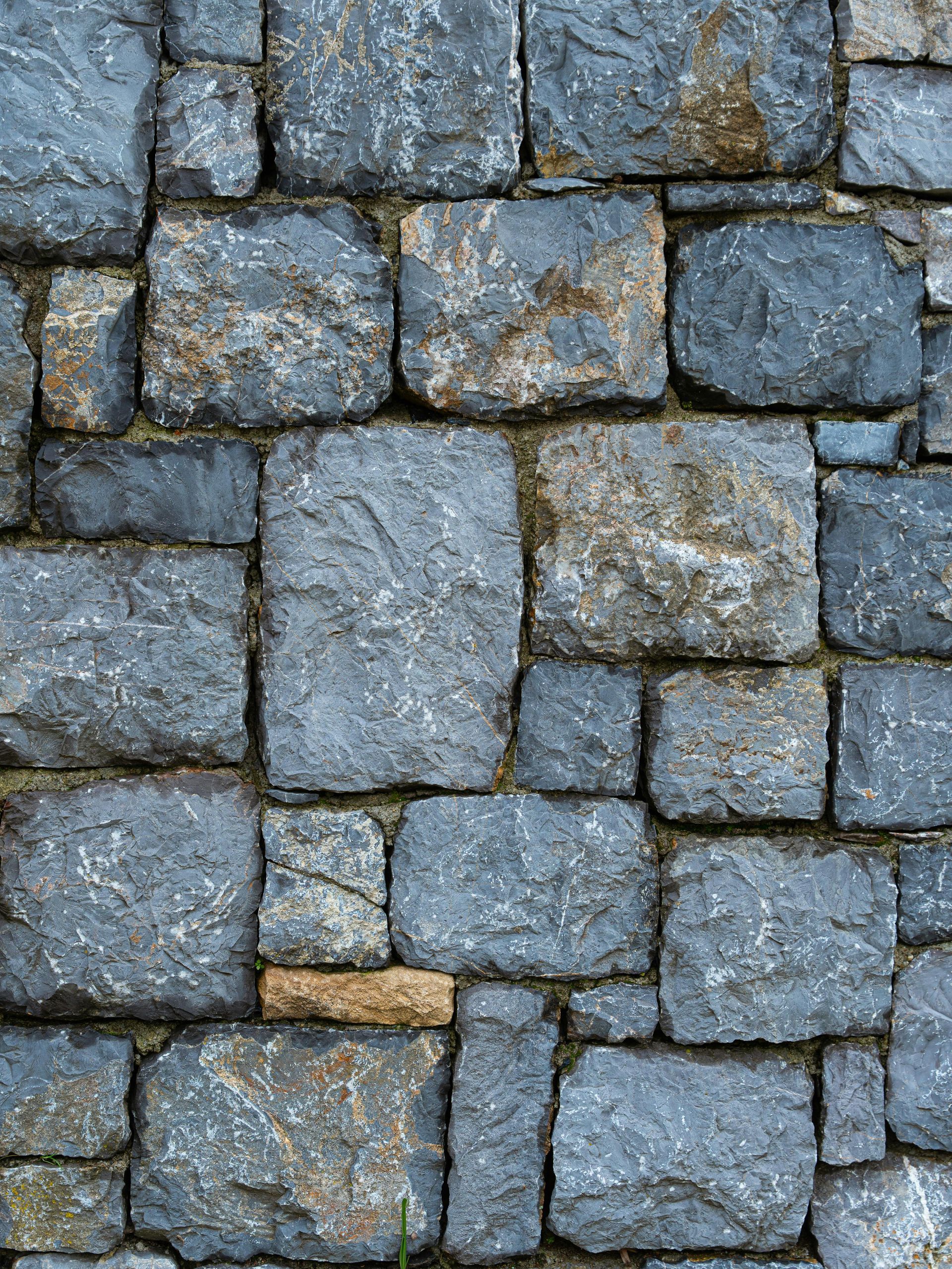
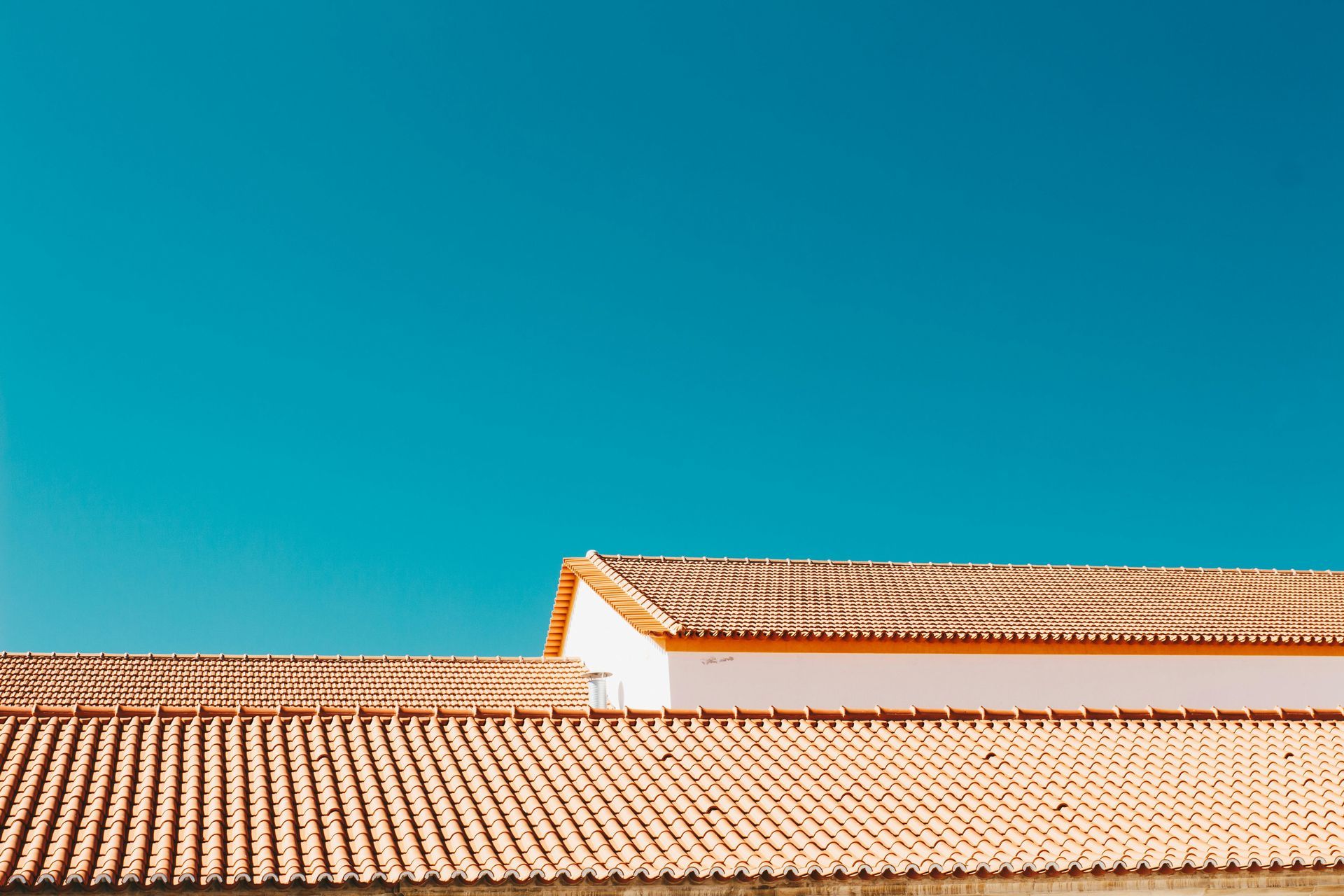
The YDNPA will expect any new building work to be in keeping with the local vernacular. That means using natural stone rather than brick, lime mortar rather than cement, and traditional roofing materials where possible. Modern finishes and contemporary design features can be approved, but they need to be handled sensitively and argued well.
We always recommend requesting a pre-application consultation with the planning authority before you commit to any design. It costs a small fee but can save you a lot of time and money in the long run.
Visibility from Public Land
The Dales is a working landscape that millions of people visit every year. If your property is visible from a public footpath, a road, or open moorland, the planners will look very carefully at how any new work sits in that wider view. Extensions that would be completely fine in a town garden can face objections simply because of how they look from half a mile away across a field.
This doesn't mean you can't build. It means the design needs to think about the bigger picture, not just the property itself.
Tips for Getting Your Planning Application Right
Get a Pre-Application Discussion
We've said it once but it's worth saying again. The YDNPA offers pre-application advice, and it's genuinely useful. You can find out early whether your idea is likely to be supported, what changes might make it more acceptable, and which policies are most relevant to your site. Going in blind without this step is one of the most common mistakes people make.
Use a Local Builder Who Knows the Area
Working with a builder who has experience in the Dales makes a real difference. We know which materials are typically accepted, how to phrase applications in a way that addresses planning policy, and which local architects and planning consultants are worth working with. A builder from outside the area might be perfectly skilled at construction but unfamiliar with the specific requirements here.
Be Realistic About Timescales
Planning applications in the National Park can take longer than you might expect. The standard determination period is eight weeks, but complex applications or those that generate objections can run well beyond that. Factor this into your project timeline from day one and don't book builders or order materials until you have permission in hand.
Consider the Conservation Area Rules Too
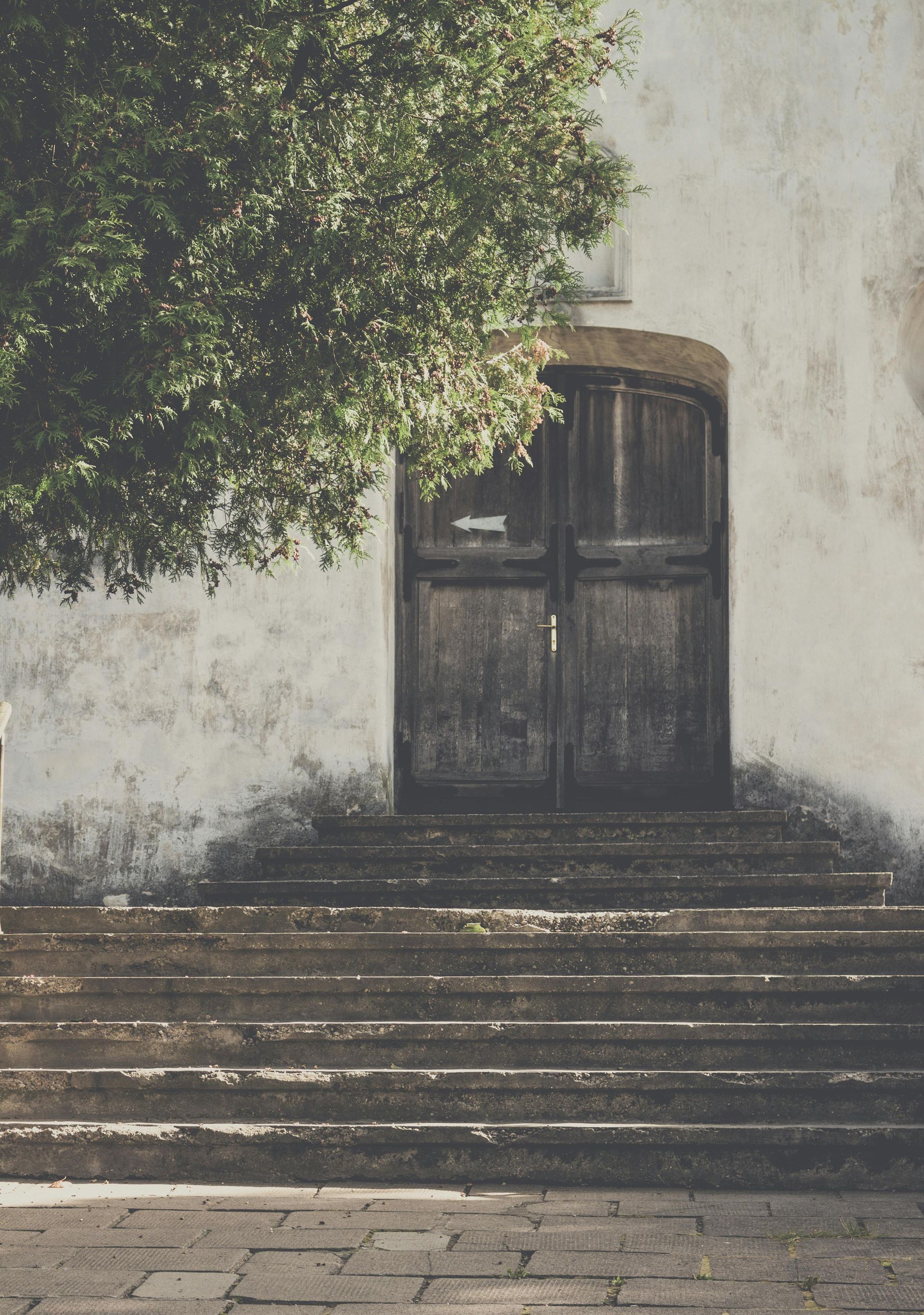
Many Dales villages, including Grassington, Hawes, and Reeth, are designated Conservation Areas on top of being within the National Park. This adds another layer of scrutiny, particularly around things like window styles, door materials, and any changes to the exterior character of a building. If your property is in a Conservation Area, check what additional rules apply before you do anything.
What About Listed Buildings?
A significant number of properties in the Dales are Listed Buildings, particularly the older farmhouses and barns. If yours is one of them, you'll need Listed Building Consent for any works that affect the character of the building, inside or out. This is a separate process from planning permission and involves an additional assessment.
Listed Building work isn't impossible, but it does require specialist knowledge and careful detailing. We've worked on a number of listed properties across the Dales and know what the process involves.
The Practical Challenges of Building Here
Planning aside, actually building in the Dales throws up its own set of practical challenges. Access to remote sites can be difficult, especially in winter. Material deliveries take longer and can cost more. Finding skilled local tradespeople who understand traditional building methods matters more here than almost anywhere.
Weather is another factor. The Dales gets more rainfall than much of Yorkshire, and working with natural stone and lime materials means you need the right conditions. A good local builder will factor all of this into the programme so you're not caught out halfway through a job.
Our Advice
Start the conversation with the planning authority early, use materials and designs that respect the landscape, and work with people who know the area. The Dales is a special place to build, and done properly, the results speak for themselves.
If you're thinking about a project in the Yorkshire Dales and want to talk through what's involved, we're happy to have that conversation before you commit to anything.