Extending Period & Listed Homes in York: WhatYou Should Consider
Extending a period or listed home in York can be rewarding but is also complex. The city has a rich architectural heritage, from Georgian townhouses to medieval cottages. There are over 1500 listed buildings in York! Owners must take a careful approach that honours history while creating modern, functional living spaces. Those considering an extension need to balance their ambitions with sensitivity; experience is essential in this process. Alongside this, navigate the challenges of the associated planning permission.
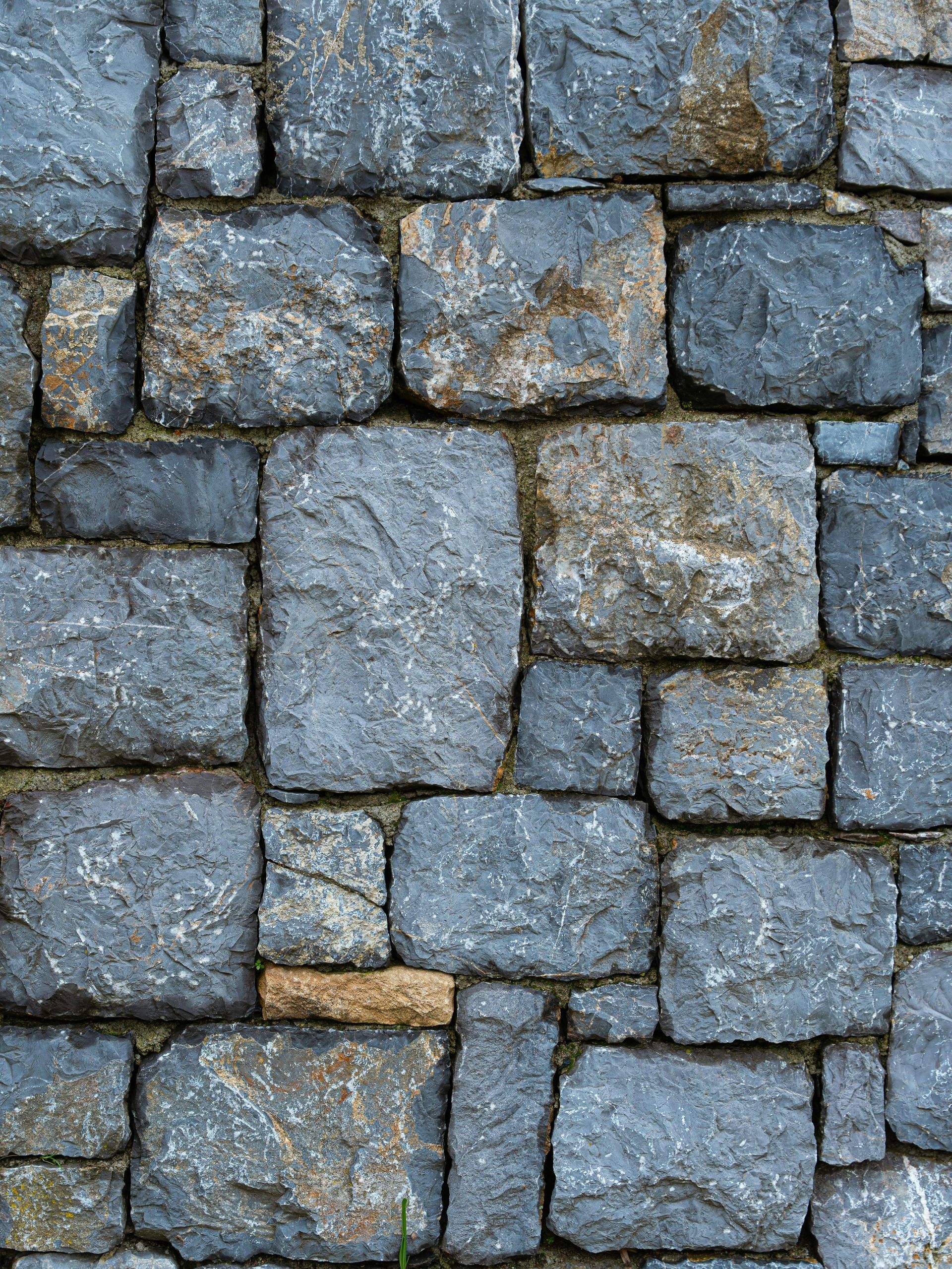
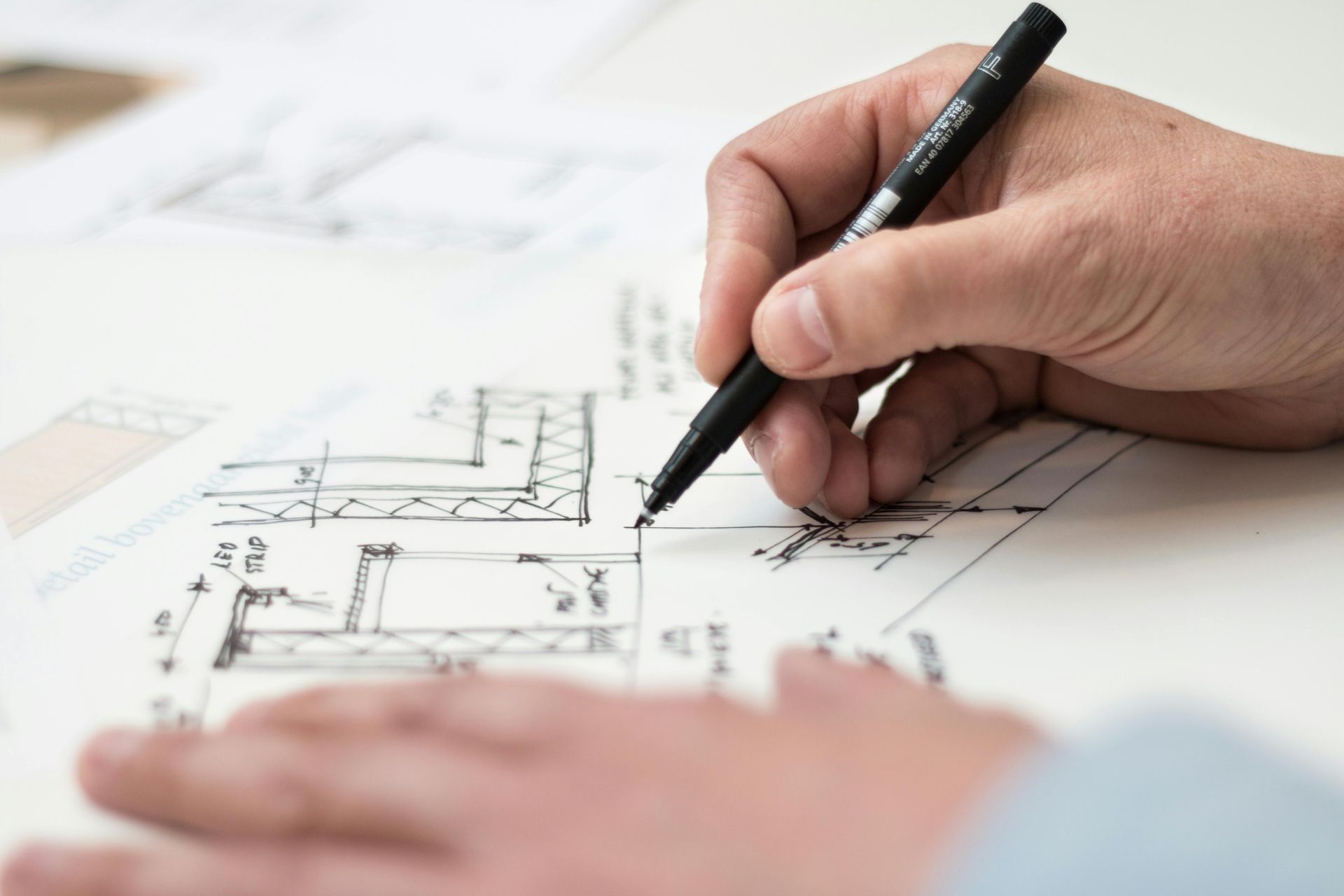
One of the first things to consider is heritage sensitivity. Listed buildings, along with those in conservation areas, are protected for important reasons. Original features like stonework, timber frames, sash windows, and rooflines add to the character of the city and are often legally protected. Any proposed extension must show that it preserves or enhances the property’s historic value. This usually involves using appropriate materials, traditional construction methods, and designs that feel genuine rather than forced. Planning and listed building consent can be detailed and take time, so consulting with specialists early on is vital.
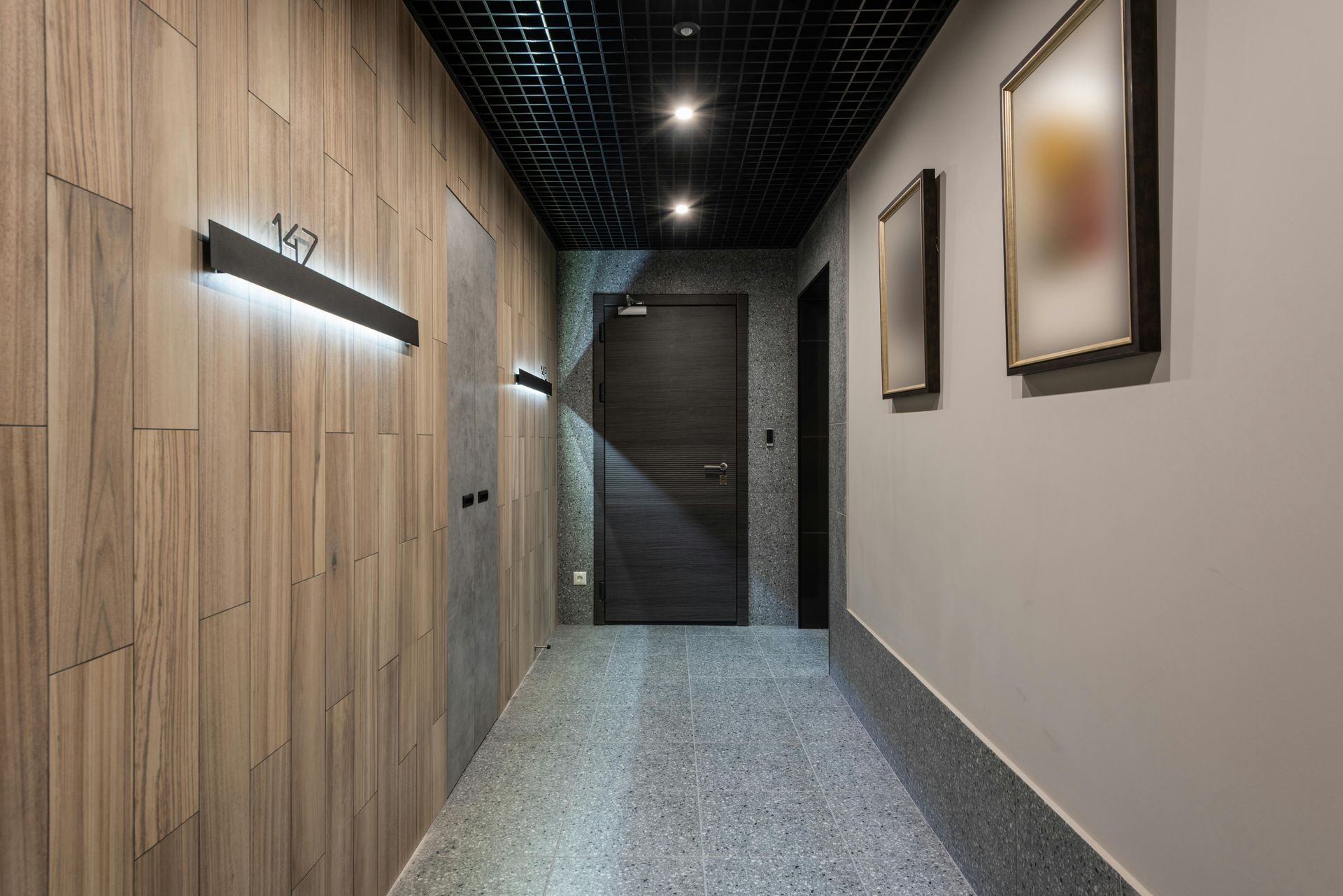
Design harmony is also important. A successful extension to a period home should not compete with the original structure. Instead, it should complement it. Sometimes, a traditional-style extension can make it seem like it has always been part of the house. In other cases, a contemporary design can work well if it clearly takes a backseat to the original building and uses compatible proportions and materials. In York, planners typically prefer designs that are visually less prominent from the street to keep the historic streetscape intact.
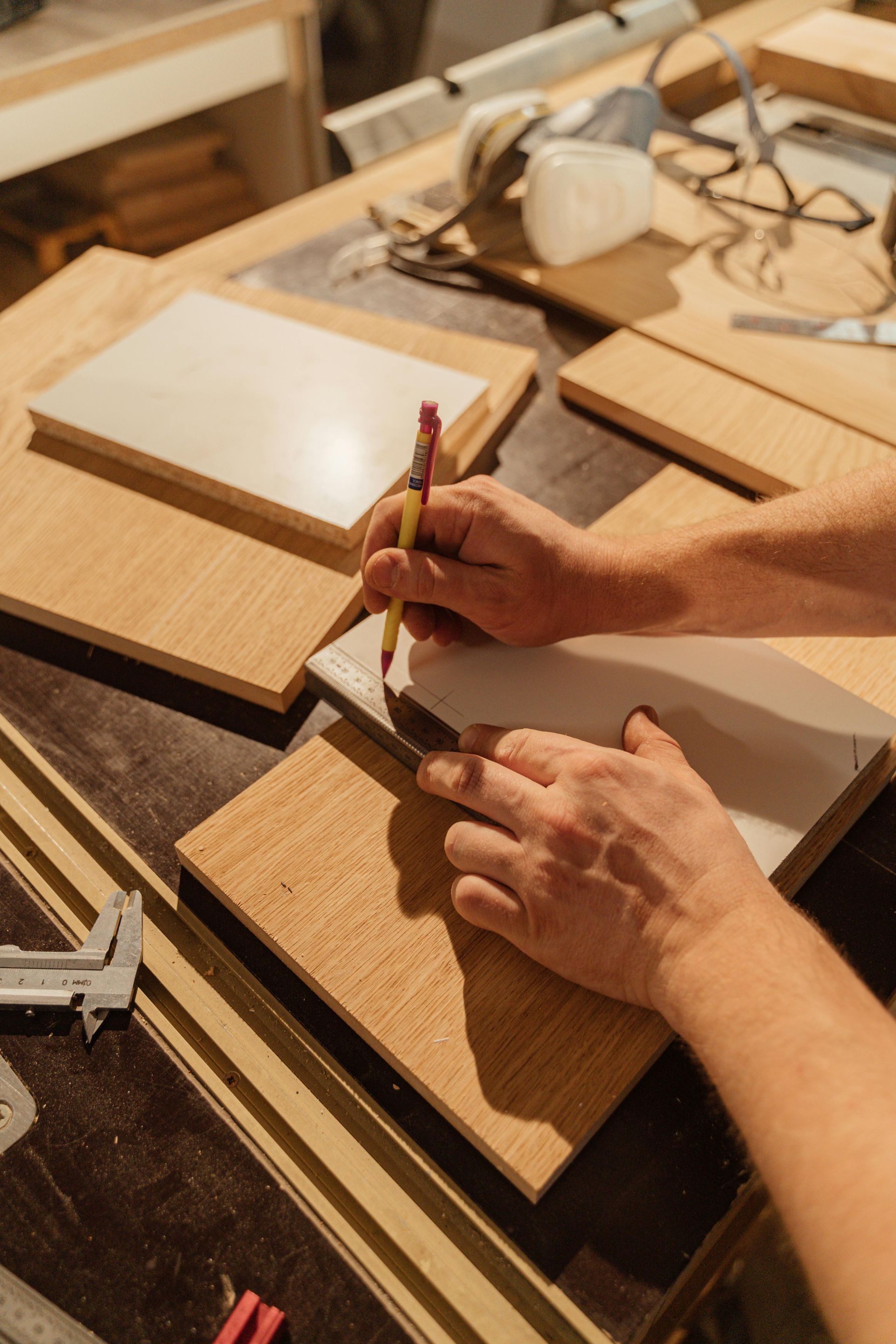
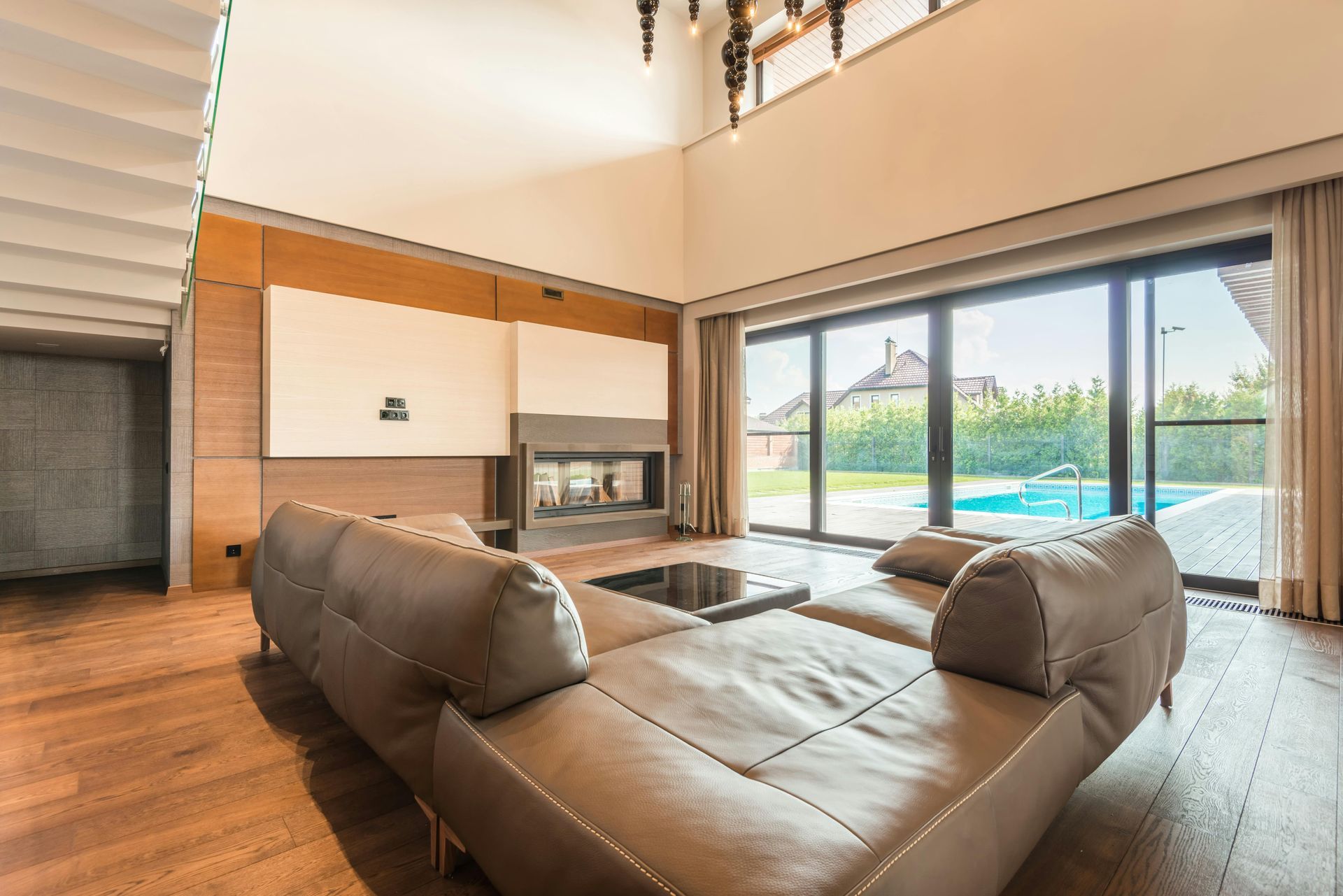
Modern living needs also require careful consideration. Homeowners often want more light, open spaces, or better energy efficiency, but these changes should not compromise the building’s character. Thoughtful detailing, discreet insulation, and custom joinery can help connect the old and new. Off-the-shelf solutions often do not fit well, so a tailored approach is essential.
Selecting a builder with a strong background is crucial. High-end projects require a thorough understanding of craftsmanship, like working with lime mortars and stone masonry. Builders must also collaborate well with conservation officers and architects. An experienced builder can anticipate challenges, protect existing structures during renovations, and ensure every detail meets both regulatory requirements and the homeowner's expectations.
In a city like York, extending a historic home is about being a responsible steward as much as it is about making improvements. It takes skill, patience, and a true respect for the past, carefully woven into the fabric of modern living.