What Is a Steel Frame House

June 6, 2025

When most people think of houses in the UK, they picture traditional brick walls, timber frames, and slate roofs. But there’s another method of construction that’s becoming more popular—especially with modern extensions and new-build homes: steel frame house.


Steel frame houses use a skeleton of steel columns and beams to support the structure, rather than the more conventional timber framework. This type of construction has been common in commercial buildings for decades, but it’s also been steadily making its way into residential settings, particularly for those looking for speed, precision, and durability in their build.


One of the main draws of steel framing is its strength-to-weight ratio. Steel is incredibly strong, yet much lighter than timber or masonry. This makes it ideal for projects that need to span wider spaces without internal supporting walls—think open-plan kitchen diners or large glazed extensions. It also makes it well-suited to tricky plots or sites with poor ground conditions, as the load can be distributed more evenly with less foundation work needed.


For home extensions, especially double-storey additions or those with lots of glass, steel frames offer a lot of flexibility. You can achieve slimmer profiles around windows and doors, which means bigger openings and more natural light—something many homeowners are looking for, particularly in kitchen extensions or garden rooms. And because the frame is manufactured off-site and assembled on location, it can often go up much quicker than a traditional build, cutting down on disruption.


There’s also the issue of shrinkage and movement. Timber, by its nature, expands and contracts with moisture and temperature changes. Steel doesn’t. This means fewer problems with settling cracks, squeaky floors, or sticking doors. It can also provide better fire resistance, and when treated and installed properly it’s resistant to pests and rot, too.


Steel frame houses aren’t a new invention. They were used in large numbers in the post-war period to speed up housebuilding when materials were in short supply. Some of these early steel-framed homes can still be found today, especially in parts of Yorkshire and the North. However, modern steel frame construction is a world apart from those earlier systems. Today’s techniques are far more advanced, with improved insulation, air-tightness, and compliance with building regulations.


In terms of cost, steel frames can sometimes work out slightly more expensive than timber initially, but that’s not always the case. The real savings often come from the time saved on site, the reduced need for labour-intensive groundwork, and the potential for better thermal performance if the detailing is done properly. Essentially they tend towards similar costs over the short term, allow for savings long term but also open up flexibility and space in the build.


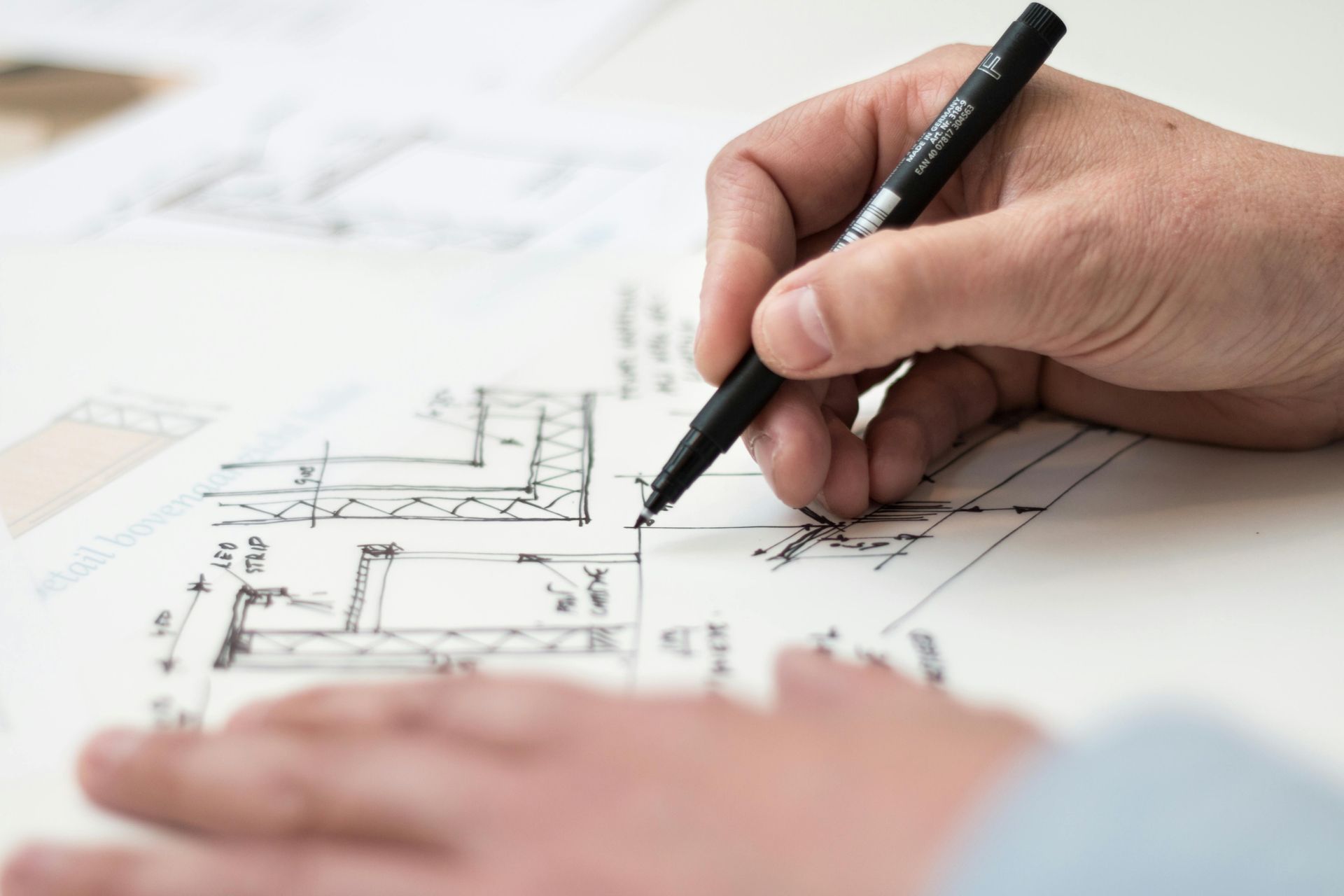
Design is another area where steel really shines. Architects and designers love working with steel because of the flexibility it offers. Curves, cantilevers, and big, open interior spaces are all much easier to achieve with a steel frame. So, if you’ve been dreaming of a striking modern extension with lots of glass and clean lines, steel could be your best bet.


That said, not every builder works with steel frames, and not all projects are suitable for it. You’ll need experienced contractors who understand how to work with steel, especially when it comes to integrating it with other materials like brickwork, stonework or timber cladding. You’ll also want to think about things like thermal bridging and insulation, which need careful attention to detail in the design phase.


A steel frame house, or steel frame extension, isn’t just about aesthetics or strength. It’s about using the right materials for the right situation. In places like Yorkshire, where the weather can be a bit unpredictable and traditional building styles are often protected by planning regulations, steel frames can offer a modern solution without compromising on character or durability.


Check our instagram for inspiration of some of the steel frame buildings we have made!


January 2, 2026
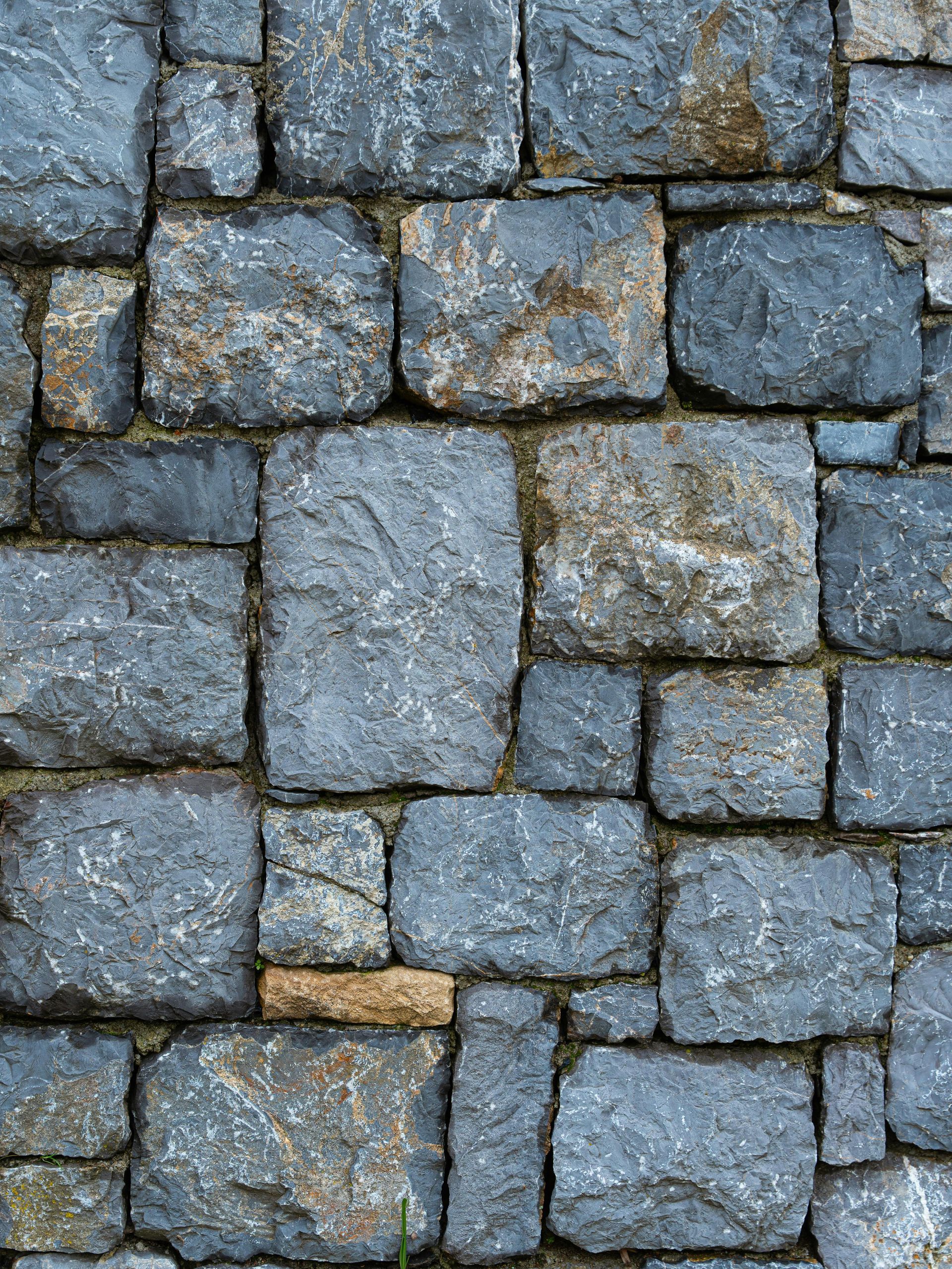
Material selection is crucial for the success of high-end building projects. Beyond appearance, the right materials affect durability, energy performance, sustainability, and the everyday experience of living in a space. Careful consideration of materials is a key part of the design and construction process. Stone is one of the most valued materials in quality construction, especially in the UK, where it complements both period and contemporary architecture. Natural stone offers longevity, character, and a sense of permanence that few materials can match. Whether used for external walls, interior features, or landscaping, the type, cut, and finish of stone significantly influence the overall look and how well the building blends with its surroundings. Glazing is another area where material selection is important. Modern high-performance glazing allows plenty of natural light while maintaining good thermal efficiency. Slim frames, large panels, and careful positioning can change how spaces connect with gardens and outdoor areas. At a premium level, glazing choices balance visual appeal with comfort, security, and year-round performance. Oak frames remain a popular choice for clients who want warmth, craftsmanship, and structural beauty. Oak adds a natural elegance that suits both traditional extensions and contemporary designs. When responsibly sourced and seasoned, oak frames are very durable and age well. They also allow for open, flexible layouts that are both functional and visually appealing. Insulation may be less visible, but it is just as important. High-quality insulation materials help control internal temperatures, lower energy use, and improve acoustic comfort. Premium builders pay attention to how insulation fits into the overall structure, ensuring there are no weak points that could affect performance. This focus on detail results in homes that are comfortable, efficient, and cheaper to maintain. Eco-credentials are becoming more important to homeowners investing in high-end projects. Material selection directly impacts sustainability, from responsibly sourced timber and natural insulation products to low-carbon manufacturing methods. Choosing materials with strong environmental credentials supports long-term value, lowers environmental impact, and meets modern expectations for responsible building. In a well-planned project, sustainability and quality go hand in hand, creating spaces that are just as pleasant to live in as they are to look at.
December 21, 2025
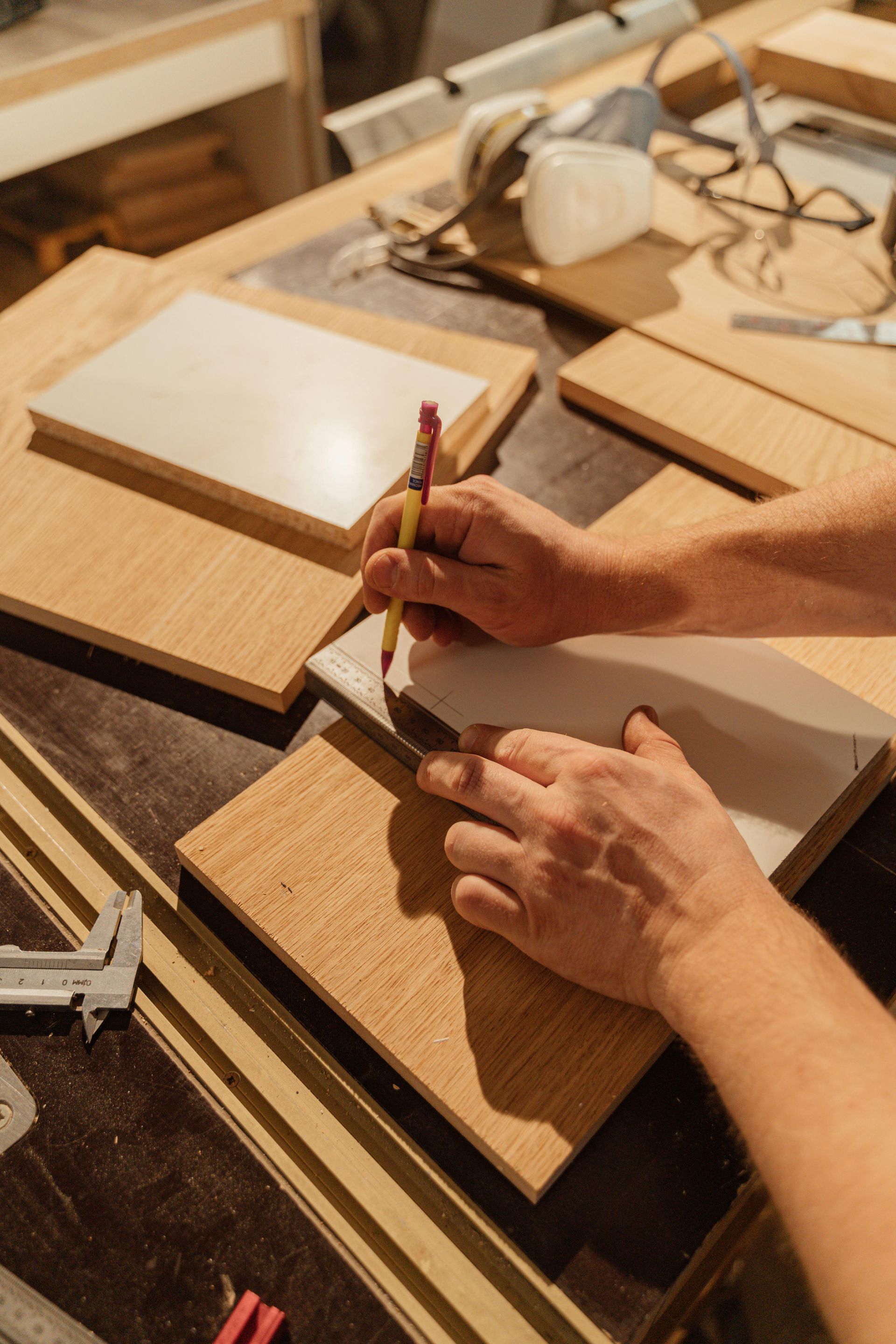
When a house owner considers expanding their home, they soon realise that not all builders are the same. A premium extension builder brings a higher level of expertise, care, and professionalism to a project. This difference is evident not only in the finished space but also in the overall experience, from start to finish. Craftsmanship is often the most noticeable and long-term difference. A high-end extension is not just about adding space; it’s about creating an area that seems like it has always been part of the home. This demands attention to detail, skilled workers, and a thorough understanding of both traditional and modern building methods. Clean lines, seamless connections with the existing structure, and thoughtful finishes are all signs of quality work. Instead of rushing to finish and be on to the next job, a premium builder takes the time to ensure every detail is perfect. Strong project management is another important factor. Extensions come with many moving parts, including structural work, planning requirements, and coordinating various specialist trades. A premium builder might provide a dedicated project manager who supervises the build, keeps the schedule on track, and serves as a single point of contact. This organised approach reduces delays, prevents costly errors, and minimises disruptions to daily life. The homeowner will receive updates and their questions will be answered quickly, and decisions will be made based on experience and knowledge rather than guesswork. The trades will often be part of the builders team too, rather than subcontracted out, which makes the job flow much more smoothly. Materials are also crucial in distinguishing a premium extension. High-end builders focus on quality materials that perform well, age well, and match the character of the property. This could include custom joinery, carefully chosen bricks or stone, high-performance glass, and energy-efficient insulation. The emphasis is on long-term value rather than quick savings, ensuring the extension looks great and lasts over time. Client experience is equally important. A premium extension builder knows that construction can feel overwhelming, especially in someone’s home. Clear communication, straightforward pricing, and a respectful presence on-site contribute to a smoother and more enjoyable process. From the initial meeting to the final handover, the focus is on trust, teamwork, and achieving a result that reflects the client’s vision.
December 4, 2025
Extending a period or listed home in York can be rewarding but is also complex. The city has a rich architectural heritage, from Georgian townhouses to medieval cottages. There are over 1500 listed buildings in York! Owners must take a careful approach that honours history while creating modern, functional living spaces. Those considering an extension need to balance their ambitions with sensitivity; experience is essential in this process. Alongside this, navigate the challenges of the associated planning permission. One of the first things to consider is heritage sensitivity. Listed buildings, along with those in conservation areas, are protected for important reasons. Original features like stonework, timber frames, sash windows, and rooflines add to the character of the city and are often legally protected. Any proposed extension must show that it preserves or enhances the property’s historic value. This usually involves using appropriate materials, traditional construction methods, and designs that feel genuine rather than forced. Planning and listed building consent can be detailed and take time, so consulting with specialists early on is vital. Design harmony is also important. A successful extension to a period home should not compete with the original structure. Instead, it should complement it. Sometimes, a traditional-style extension can make it seem like it has always been part of the house. In other cases, a contemporary design can work well if it clearly takes a backseat to the original building and uses compatible proportions and materials. In York, planners typically prefer designs that are visually less prominent from the street to keep the historic streetscape intact. Modern living needs also require careful consideration. Homeowners often want more light, open spaces, or better energy efficiency, but these changes should not compromise the building’s character. Thoughtful detailing, discreet insulation, and custom joinery can help connect the old and new. Off-the-shelf solutions often do not fit well, so a tailored approach is essential. Selecting a builder with a strong background is crucial. High-end projects require a thorough understanding of craftsmanship, like working with lime mortars and stone masonry. Builders must also collaborate well with conservation officers and architects. An experienced builder can anticipate challenges, protect existing structures during renovations, and ensure every detail meets both regulatory requirements and the homeowner's expectations. In a city like York, extending a historic home is about being a responsible steward as much as it is about making improvements. It takes skill, patience, and a true respect for the past, carefully woven into the fabric of modern living.
October 29, 2025
Working on homes with tight or awkward spaces often comes down to smart thinking rather than square footage. When you are building or renovating in slim side returns, narrow terraces or compact footprints, success is all about design, flow and use of light. A small space handled well can feel generous, practical and genuinely uplifting to live in. The layout is the first key element. Narrow rooms can easily feel like corridors if they are not planned carefully. As an experienced builder, we can create bathrooms that draw the eye outward and avoid that boxed-in feeling. Full height glazing, sliding or bifold doors and well-placed openings can connect a compact extension to the garden and instantly make it feel wider. Aligning new rooms with existing spaces helps the project feel like a natural continuation rather than a bolt-on. Storage and circulation need extra attention in narrow spaces. Built-in cabinetry, bench seating with storage underneath and pocket doors all help make the most of every centimetre. Instead of fighting the narrow footprint, embrace it by zoning intelligently. Kitchens often work well along one wall, with dining or seating running opposite. Keeping clear pathways and avoiding unnecessary partitioning ensures the space feels open and functional. Your expertise at the early stage can highlight where structural supports should sit and where services are best routed, ensuring the finished space flows well. Light plays a major role too. Rooflights, clerestory windows or slimline glazing systems help bring natural daylight deep into the plan. Continuity helps the space feel larger, so consider how finishes flow: the same flooring between old and new areas, consistent ceiling heights and coordinated colour palettes all create a seamless transition. Our craftsmanship makes sure these clean, modern lines perform practically as well as visually, with proper insulation, drainage and structural support behind them. Finally, planning ahead pays dividends on tight sites. Access for materials, party wall considerations, narrow garden routes and limited storage all need thought. Working closely with the homeowner and designer from the outset means we can suggest efficient sequencing, appropriate foundation choices and practical construction solutions. On a compact build, small mis-steps can have big effects, so guiding early helps avoid problems later. When done right, even a modest extension or reconfiguration can give you a fresh sense of space and add serious value to your property.
October 6, 2025
When we talk to customers who are planning an extension or renovation under permitted development rights, a common worry is whether neighbours can block the work. The short answer is yes, neighbours can object, but no, that does not usually mean the project comes to a halt. What matters is understanding how permitted development works and the role neighbours can play. Permitted development rights allow certain building works without the need for full planning permission. Typical examples include single storey rear extensions, loft conversions, garden rooms and some roof alterations. However, there are conditions that must be met, and rights differ between properties. Homes in conservation areas, flats, and listed buildings often have restrictions, so checking with the local authority early helps avoid delays later. Our experience in York and Harrogate can pay dividends here, but its wise to know in any area. Even when a project falls within permitted development rules, neighbours are still able to raise concerns. They may worry about loss of light, privacy, noise from construction or disruption close to their boundary. While these concerns are valid from a neighbour’s perspective, they do not automatically stop a build. The council remains the decision maker. If the work genuinely falls within permitted development criteria, it can usually proceed, regardless of objections. That said, relations with neighbours should not be ignored. Good communication goes a long way. A friendly chat explaining the plans, the timetable, and how disruption will be managed can prevent frustration and misunderstandings. As a builder, reassuring neighbours about site cleanliness, working hours, and noise control helps maintain a positive atmosphere around the project. It is also important to consider the Party Wall Act. If works involve building on or near a shared boundary, or if the project could affect the structural support of a neighbouring property, notices may need to be served. This is a separate process and does not replace permitted development rules, but it is crucial to get it right to avoid disputes or delays. Issues around privacy or light sometimes cause concern too. While permitted development rights give homeowners flexibility, designs still need to be considerate. Thoughtful placement of windows, sensible heights and sympathetic design choices make projects smoother for everyone involved. As a professional builder, offering guidance on these points not only builds trust with your client but also helps avoid neighbour complaints. With clear planning, awareness of the rules and respectful communication, most permitted development projects progress smoothly and keep everyone on good terms, and here at AG Developments, we are here to help you through the full process.
September 25, 2025
If you’re planning a home extension, one of the most common questions is when and how payments to the builder should be made. Understanding what’s normal in the 'industry' helps you budget properly and makes sure there are no surprises along the way. For homeowners in York, where extensions can range from modern kitchen spaces to sensitive work on period properties, it’s especially important to know what to expect. Reputable builders won’t usually ask for the entire project cost upfront. Instead, payments are staged so the money follows the progress of the work. This protects both you, the customer and the builder, ensuring the project stays on track. A typical payment schedule might start with a small deposit before work begins. This shows commitment on both sides and allows your York home extension builder to secure materials and schedule trades. After that, payments are often linked to milestones in the build. For example, you may make one payment once foundations are complete, another when the walls are up, and further instalments as the roof, windows, and interiors take shape. The final balance is usually paid once the extension has been finished to an agreed standard such as building regs, and you’re happy with the work. The size of each payment will depend on the scope of the project and the agreement you make with your builder. What matters most is transparency. A trustworthy builder will provide a written payment schedule that clearly explains what you’re paying for at each stage. If anything isn’t clear, it’s always better to ask questions before work begins. It’s also worth being cautious if a builder asks for unusually high upfront payments. While deposits are normal, most established builders have the resources to start work without demanding large sums in advance. A fair and balanced schedule keeps the project moving smoothly and gives you peace of mind. Good communication plays a big role here too. Knowing when invoices will arrive and what stage of the build they relate to makes it easier to plan your finances and prevents misunderstandings. A reliable builder will keep you updated throughout, so you always know what’s happening and why.
September 16, 2025
Extending your home is a exciting project, but selecting the most appropriate builder can be quite worrying. You're making a big investment in your house, so you need to ensure that the company you pick is trustworthy, skilled, and pleasant to deal with. In York and similar areas, where historic homes stand together with contemporary properties, selecting a reputable builder all makes the difference to a trouble-free project. If you're searching for York builders, a sensible starting point is word of mouth. A personal recommendation from friends, relatives, or neighbors who've had the identical work done can give a true picture of how a builder operates. Local knowledge is crucial as well, a York builder will know about planning restrictions, conservation guidelines, and the quirks of older local houses. You can also ask to see examples of past work; most professional York house extension builders will be pleased to demonstrate their work and may even arrange contact with past clients. Check our York building projects to see what we have done! Online reviews can be useful, but it’s worth reading them carefully. Look for consistency in the feedback rather than one-off comments. Positive reviews that highlight communication, tidiness, and sticking to deadlines are usually good indicators that you’re dealing with a trusted York builder. Transparency is the key when it comes to quotes and contracts. A reputable builder will provide a detailed written quote, with costs clearly explained so you're aware of exactly what's included. Be wary of extremely low prices as they can sometimes be a sign of shortcuts or extras along the way. It's better to pay a realistic price up front than risk hidden costs later on. Finally, do not ignore the importance of communication. You'll be working with your builder for weeks or months, so you must feel comfortable and confident in how they listen and communicate. A good builder will be happy to answer questions, explain the process, and inform you how things are progressing as work moves along. It isn't a question of luck to get a decent builder in York and the surrounding areas, it's a question of doing a bit of homework, asking the right questions, and choosing someone who is as interested in quality and reliability as you are.
August 24, 2025
Natural light is a highly desired feature in modern homes. Its usually a key feature in our home extension builds. Whether you’re planning an extension, renovating a kitchen, or transforming a loft, how you bring daylight into the space can make a significant difference. Two popular options are roof windows and roof lanterns. Both are great at opening up a room and creating an airy, welcoming feel, but they function very differently... What is a Roof Window? Roof windows are installed flush with the slope of a pitched roof. You’ll often find them in loft conversions or upstairs rooms with sloping ceilings, but they can also fit beautifully in single-storey extensions with non-flat roofs. Roof windows usually open, which means they not only let in light but also provide ventilation. This feature can be particularly valuable in kitchens, bathrooms, and bedrooms. Modern roof windows come in a wide range of sizes and styles. Some are manual, while others are electric or solar-powered, making them easy to operate with the touch of a button. They are designed to be subtle and sit neatly within the roofline without significantly changing the building's overall character. What is a Roof Lantern? A roof lantern, sometimes referred to as a skylight lantern, has a very different design. Instead of being integrated into a pitched roof, it sits on top of a flat or low-pitched roof and extends upward in a pyramid or rectangular shape. This makes it a striking architectural feature, perfect for adding a wow factor to a kitchen extension, dining room, or orangery. Due to their raised, multi-angled glass panels, roof lanterns capture light from all directions throughout the day. They typically do not open for ventilation (though some can have opening vents), but they excel at flooding large areas with natural light, making even the biggest open-plan spaces feel bright and inviting. The Look and Feel If you’re considering aesthetics, the style of your home often influences your choice. Roof windows tend to blend in with traditional pitched roofs, offering a clean and understated look. They can be nearly invisible from ground level, which makes them a good option if you want to preserve the character of a period property or need something discreet. Roof lanterns, on the other hand, are a statement piece. They become a central feature of a room, often acting as the focal point over a dining table or seating area. Their design naturally draws the eye upward, creating a sense of height and drama that you simply can’t achieve with a flush roof window. Light and Space One of the main reasons people consider either option is the desire for more natural light. Roof windows effectively bring light into spaces under pitched roofs. Because they are angled, they tend to capture light well at different times of the day. Roof lanterns, however, excel at spreading light across a wide area. Their elevated structure allows sunlight to flow in from multiple angles, creating consistent brightness even in large, open-plan kitchens or living areas. If your goal is to make a room feel larger, a lantern may provide that extra impact. Practical Considerations Functionality is important too. Roof windows are usually easier to install in a pitched roof, especially if you’re adding them as part of a loft conversion or upgrading an existing roof. They also offer ventilation, which is especially crucial in warmer weather or in rooms that often have condensation issues. Roof lanterns are typically used in flat-roofed extensions. While they generally do not open, their design is excellent for insulation. Modern glazing minimises heat loss in winter and controls heat in summer. They can be more costly compared to standard roof windows, but many people consider this worthwhile for the light and design they provide. We have a supplier of lanterns with minimal frames, which really stands out. Cost and Value When it comes to cost, roof windows tend to be the more affordable option. They are easy to install, come in many off-the-shelf sizes, and often can be set up without major structural changes. Roof lanterns, in contrast, are more custom products, often made to fit specific spaces. The price reflects the craftsmanship and the impact they create, but they can also increase the perceived value of your home thanks to their impressive design. As always we love to offer our help and advice to build your perfect extension.
August 12, 2025
For years, bifolding doors have been one of the most popular ways to connect homes with their gardens. They offer wide openings, indoor-outdoor living, and modern style. However, as design trends and technology evolve, many homeowners are starting to look beyond bifolds and consider other options for their extensions or renovations. If you’re planning a project and wondering whether bifolds are the right choice it could be worth considering alternatives and thinking about which door styles could work best for you. Why Look Beyond Bifolding Doors? While bifolding doors remain a favorite, they aren’t always suitable for every home for a number of reasons. Interrupted views When bifolds are closed, the multiple panels and vertical frames can break up the sightline to your garden. Space limitations: Folding doors need enough room to stack, which isn’t always practical in smaller spaces. Unwanted guests: When fully open, bifolds expose the entire width of your extension, which is great for summer parties but not ideal if you’d like more control against insects, wind, or debris. Ease of use: Some homeowners prefer simpler sliding or automated options instead of folding panels. Design aesthetics: Large glass panes with slim frames are becoming more popular for a minimalist, contemporary feel. The good news is that most of the benefits people seek in bifolds, such as low thresholds, sleek aluminum frames, and excellent thermal performance, are now available in a variety of alternative door systems. Alternatives we think are worth considering include: French Doors French doors are a timeless classic and remain one of the most cost-effective and versatile options. Today’s aluminum versions, especially those in steel-look or industrial styles, combine elegance with strength. They work well in heritage properties or where a more traditional design is preferred, but they can also fit into modern extensions with a slimline frame. Sliding Doors Sliding doors are perfect if you want wide, uninterrupted panes of glass. Unlike bifolds, they don’t clutter the view with multiple vertical frames. Modern slimline sliding doors can have profiles more than 50% thinner than a typical bifold, giving you that desired “glass wall” effect. Ultra-slim systems with 19mm sightlines maximise natural light while maintaining energy efficiency. Slide-and-Stack / Slide-and-Turn Doors These doors blend the best of bifolds and sliders. Individual panels slide along a track and pivot to stack neatly at the side. This allows you to open your space fully without needing the clearance a bifold requires. They also offer more flexibility because you can open one panel for ventilation or slide several back for a larger opening. Frameless Glass Systems For a minimalist look, frameless slide-and-turn systems create almost invisible boundaries between indoors and outdoors. With transparent edges and no visible frames, they provide uninterrupted views and plenty of natural light. While they are more expensive, they are ideal for design-led projects where seamless aesthetics are important. Pivot Doors Pivot doors make a strong architectural statement. Often designed as oversized single panels, they can reach up to 3 meters tall or wide, turning the entrance to your extension into a striking focal point. The pivot mechanism allows for large panels, giving you an impressive expanse of glass. These are best suited for sheltered spaces, as they may not seal as tightly as sliders or bifolds. Pocket Sliding Doors If you want the largest clear opening, pocket sliding doors are hard to beat. They slide into a wall cavity, disappearing completely from view when open. This option requires planning from the start of your build, as you need enough wall depth to fit the pocket, but the results are unmatched for space and flexibility. Tilt-and-Turn Doors Though not really a direct competitor to bifolds, tilt-and-turn doors offer useful versatility. They can tilt open for secure ventilation or swing inwards like a traditional door. These are often chosen for practical reasons, like access to a flat roof or for homes that want fresh air without sacrificing security. The choice between bifolds, sliders, pivots, or any of the systems above depends on how you use your home, the size of your extension, and the style you’re aiming for. If you want maximum glass and uninterrupted views, slimline sliding doors or frameless systems could be perfect. If you prefer a traditional or industrial look, French doors in aluminum fit the bill. If flexibility and smart design appeal to you, slide-and-stack gives you the best of both worlds. For a bold design statement, pivot doors create dramatic impact. Bifolding doors will always have their place. They’re practical, popular, and a proven way to open up living spaces. But they are no longer the only choice. With so many innovative alternatives now available, people have the option to choose doors that suit their lifestyle, architecture, and design vision. We can help with lots of advice and help in selecting just the right option too!
July 28, 2025
Why We Sponsored a Beehive! At first glance, it might not seem like home building works and honey bees have much in common. But when you look a little closer, the parallels start to emerge. As a Yorkshire based builder, we spend our days improving and extending people’s homes. It’s careful, detailed work that requires structure, planning, teamwork and a real appreciation for how things come together. Bees might be tiny, but they’re master builders in their own right. And that’s just one of the reasons we’ve decided to sponsor a bee hive. Supporting a hive might seem like an unusual move for a construction company, but for us, it makes perfect sense. As builders, we’re deeply aware of the impact our industry can have on the environment. Every extension we design and build shapes the world around it, so we want to make sure we’re doing that in a responsible, sustainable way. That includes everything from the materials we choose and how we manage waste, right through to the green spaces that surround the homes we work on. Supporting bees is another small but meaningful way we can contribute to a healthier, more balanced environment. Bees play an essential role in the ecosystem. Around 75% of the food we eat relies on pollinators, with bees taking the lead. Without them, we’d lose everything from apples and strawberries to carrots and onions. But despite their importance, bee populations in the UK have been under serious threat for years. Habitat loss, pesticides, and climate change have all taken a toll. By sponsoring a beehive through a local conservation initiative based near York, we’re helping to provide a safe and supportive environment for one of nature’s most crucial workers. From a our point of view, there’s a lot to admire in how bees operate. Their hives are masterpieces of design and efficiency – perfectly engineered spaces that are strong, functional, and built to last. Much like a good extension, a beehive isn’t just about shelter. It’s a hub of activity, designed to meet the needs of its occupants while fitting perfectly into its surroundings. That’s exactly the kind of approach we take with our work: designing spaces that blend with the existing home, feel natural to use, and improve quality of life. We also believe that building for the future means more than just bricks and mortar. It’s about creating homes and communities that are fit for the next generation. That includes thinking about energy efficiency, biodiversity, and how we can build in a way that respects the land we work on. In recent years, we’ve seen more and more clients asking for eco-friendly solutions – from green roofs to garden rooms designed to attract wildlife. Sponsoring a beehive is another way of saying: yes, we care about that too. As a Yorkshire builder, we’re lucky to work in some beautiful places, from the edge of the Dales to the rolling fields of the East Riding. We want to help protect those landscapes, not just through responsible building practices but by giving back where we can. Supporting a beehive might be a small gesture, but it’s a symbolic one. It reminds us that every structure, no matter how large or small, is part of a bigger picture. So while our day job involves bricks, timber, and insulation, we’re proud to have added beeswax and wildflower meadows to the mix. Oh, and we get some delicious honey too!